les armes d&

![[CHARLES LE BRUN (1619-1690)]](/assets/image/picture_2196355/b821a/4e1bc8ff80d6115249ebff990ca2e6fc1654678800jpg__fix_374_244.jpeg)
![[CHARLES LE BRUN (1619-1690)]](https://veryimportantlot.com/assets/image/picture_2196355/b821a/4e1bc8ff80d6115249ebff990ca2e6fc1654678800jpg__fix_374_244.jpeg)
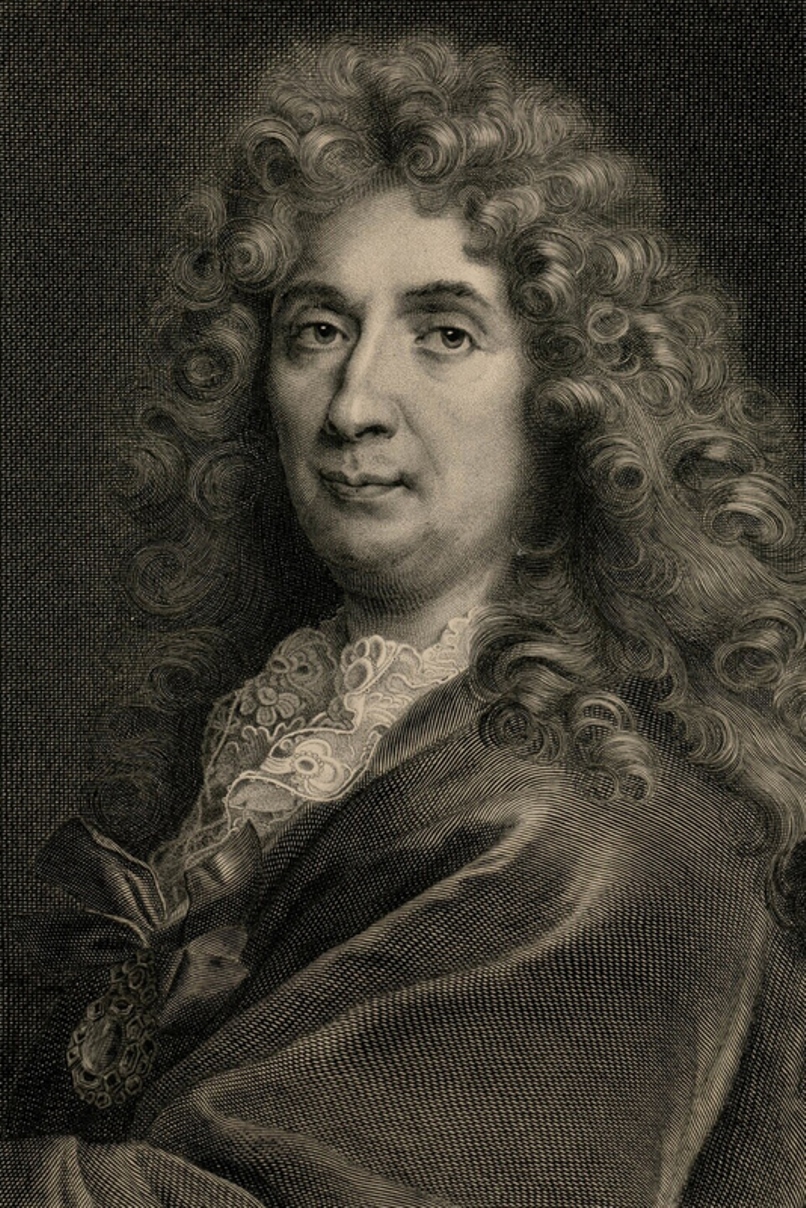
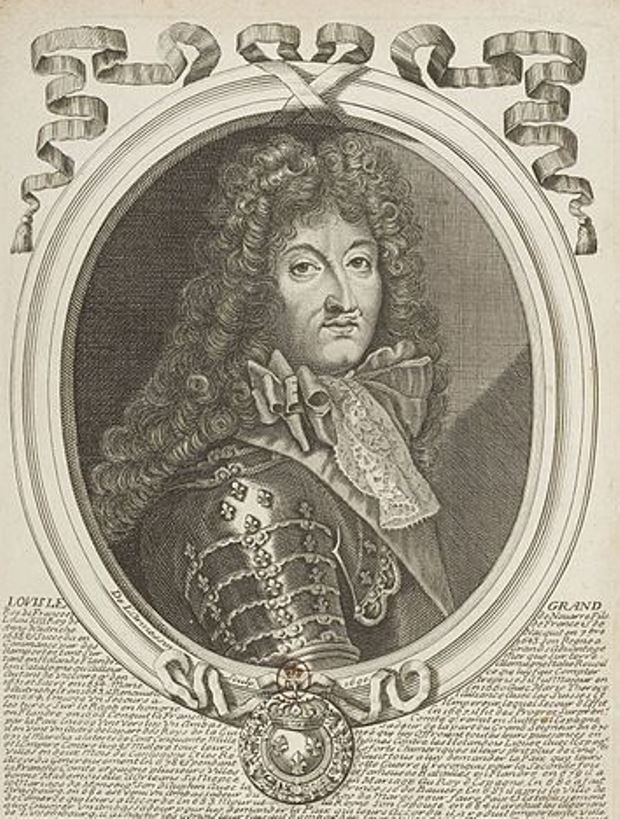
Charles Le Brun was a French painter, draftsman and chief decorator of the Palace of Versailles.
Charles came from an educated and respected family, trained in painting in Italy and very soon his talents were appreciated in the highest circles of France. In 1660 Le Brun painted "The Family of Darius before Alexander", which brought him the reputation of a brilliant French painter, and in 1664 he received the position of the first painter of the king. Thereafter he received more and more commissions and more honors.
From 1662 Le Brun controlled all the artistic projects of the royal court. In the Palace of Versailles, Lebrun created beautiful decorations: the Ambassadors' Staircase, the Hall of Mirrors, the Peace Room and the War Room. In each of his designs, he emphasized the king's achievements. He was also responsible for the decoration of the State Apartments, which was entrusted to the greatest artists of the time, who worked from his drawings. Le Brun also designed most of the statues in the park at Versailles. This enormous work cemented his reputation as a true seventeenth-century genius, as well as one of the founders, ideologues, and chief representatives of the classicist "grand style" of King Louis XIV's era.
In 1648 Le Brun became a founding member of the Royal Academy of Painting and Sculpture, and in 1663 - the manager of the Manufacture of tapestries.
Charles Le Brun was not only the creator of the "grand style", but also contributed to the rebirth of classicism into academism.
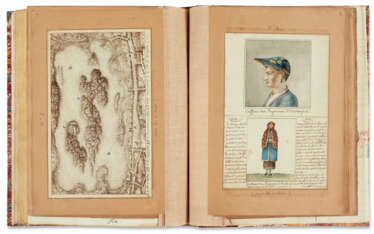





![Charles Le Brun | Grand escalier du chateau de Versailles. Paris, [1725], from the library of the Duchesse de Berry](/assets/image/picture_3553008/ec9f0/uetj65gqqo2ruc9jwwadbwuz3io4pimo93nkrxgxopcbddyau3e7vp6zhjxxem1699092113jpg__fix_374_244.jpeg)
![Charles Le Brun | Grand escalier du chateau de Versailles. Paris, [1725], from the library of the Duchesse de Berry](https://veryimportantlot.com/assets/image/picture_3553008/ec9f0/uetj65gqqo2ruc9jwwadbwuz3io4pimo93nkrxgxopcbddyau3e7vp6zhjxxem1699092113jpg__fix_374_244.jpeg)
Charles Le Brun was a French painter, draftsman and chief decorator of the Palace of Versailles.
Charles came from an educated and respected family, trained in painting in Italy and very soon his talents were appreciated in the highest circles of France. In 1660 Le Brun painted "The Family of Darius before Alexander", which brought him the reputation of a brilliant French painter, and in 1664 he received the position of the first painter of the king. Thereafter he received more and more commissions and more honors.
From 1662 Le Brun controlled all the artistic projects of the royal court. In the Palace of Versailles, Lebrun created beautiful decorations: the Ambassadors' Staircase, the Hall of Mirrors, the Peace Room and the War Room. In each of his designs, he emphasized the king's achievements. He was also responsible for the decoration of the State Apartments, which was entrusted to the greatest artists of the time, who worked from his drawings. Le Brun also designed most of the statues in the park at Versailles. This enormous work cemented his reputation as a true seventeenth-century genius, as well as one of the founders, ideologues, and chief representatives of the classicist "grand style" of King Louis XIV's era.
In 1648 Le Brun became a founding member of the Royal Academy of Painting and Sculpture, and in 1663 - the manager of the Manufacture of tapestries.
Charles Le Brun was not only the creator of the "grand style", but also contributed to the rebirth of classicism into academism.
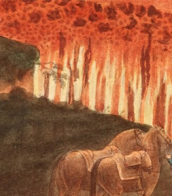



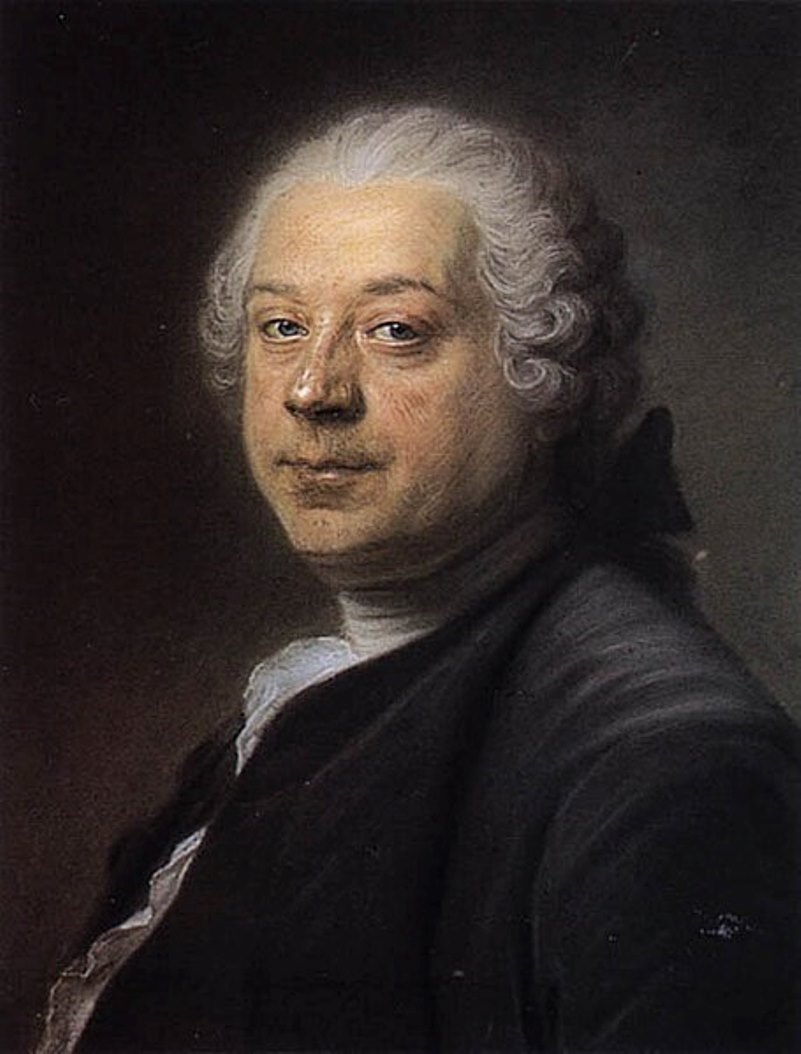
Charles Parrocel is a French painter-batalist and printmaker of the early rococo era.
Charles is a member of the Parrocel dynasty of artists and received his first lessons in painting from his father - the famous painter Joseph Parrocel, and then studied at the French Academy in Rome. Returning in 1721 in Paris, Charles Parrocel engaged exclusively in battle painting. For the painting "Battle of Infantry and Cavalry" in 1737 he was awarded the title of academician of painting and was admitted to the Royal Academy.
Charles Parrocel was a court battle painter and also painted paintings of hunting scenes. In the first half of the 18th century, he was one of the most famous and respected painters in Europe.


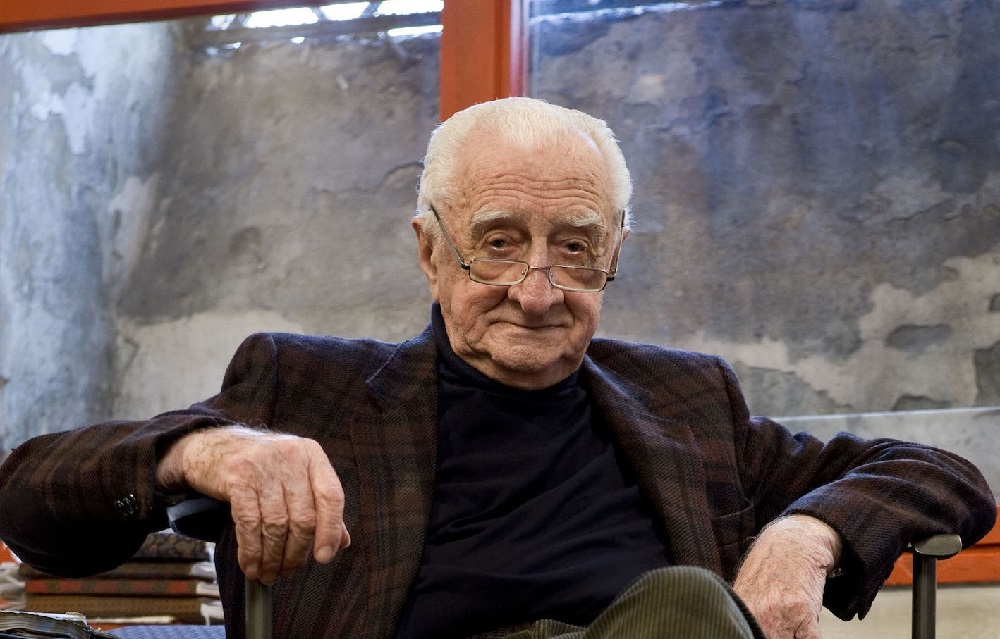
Luigi Caccia Dominioni was an Italian architect and furniture designer.
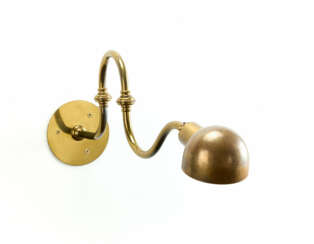

Luigi Caccia Dominioni was an Italian architect and furniture designer.


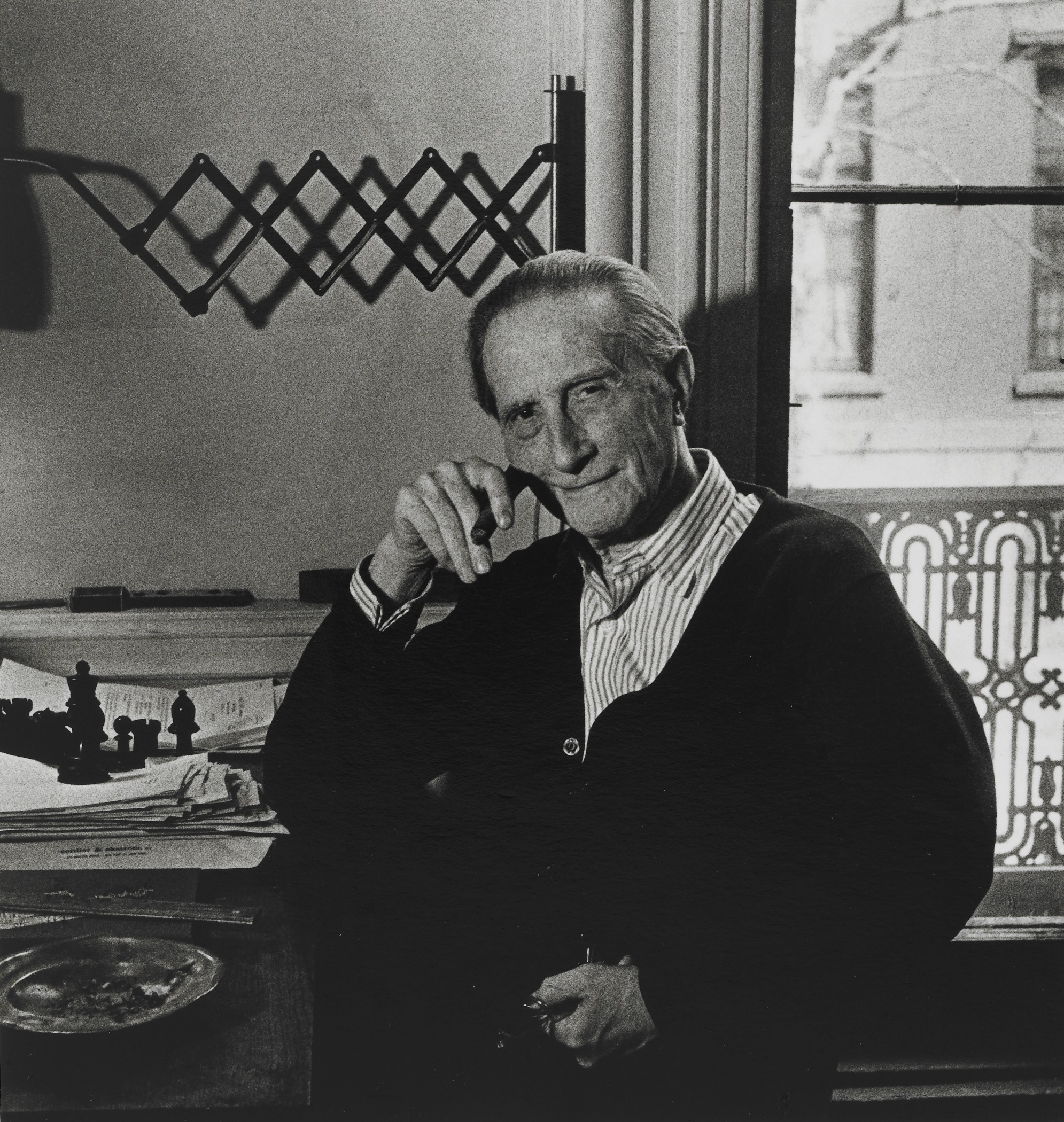
Henri-Robert-Marcel Duchamp, a pioneering French artist, is celebrated for his profound influence on 20th-century art and culture. Duchamp's work transcended traditional mediums, embracing painting, sculpture, and conceptual art, thereby redefining the very nature of artistic creation. His audacious approach to art, marked by intellectualism and wit, challenged conventional perceptions of beauty and utility, making him a central figure in the development of modern and postmodern art.
Duchamp's most notable contributions include his ready-mades—ordinary manufactured objects that he selected and presented as art. This innovative concept questioned the role of the artist and the creation process, exemplified by his famous piece, "Fountain," a porcelain urinal that radically altered the landscape of art by its mere presentation in 1917. His other significant works, like "Nude Descending a Staircase, No. 2," showcased his fascination with movement and mechanization, further cementing his legacy as a visionary.
Duchamp's influence extends beyond his creations, as he played a vital role in shaping the Dada movement and conceptual art. His ideas and artworks continue to inspire artists, collectors, and experts in the fields of art and antiques. Museums and galleries worldwide, including the Philadelphia Museum of Art and the Museum of Modern Art in New York, proudly house his works, attesting to his enduring relevance.
For those keen on exploring the intersections of art, culture, and history, Duchamp offers a rich tapestry of innovation and controversy. Collectors and art enthusiasts are invited to sign up for updates on new product sales and auction events related to Henri-Robert-Marcel Duchamp, ensuring they remain at the forefront of developments in this captivating domain.
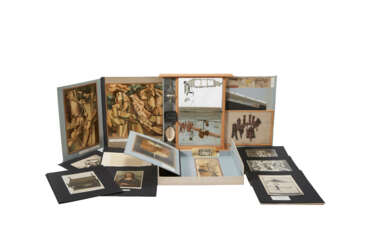

Henri-Robert-Marcel Duchamp, a pioneering French artist, is celebrated for his profound influence on 20th-century art and culture. Duchamp's work transcended traditional mediums, embracing painting, sculpture, and conceptual art, thereby redefining the very nature of artistic creation. His audacious approach to art, marked by intellectualism and wit, challenged conventional perceptions of beauty and utility, making him a central figure in the development of modern and postmodern art.
Duchamp's most notable contributions include his ready-mades—ordinary manufactured objects that he selected and presented as art. This innovative concept questioned the role of the artist and the creation process, exemplified by his famous piece, "Fountain," a porcelain urinal that radically altered the landscape of art by its mere presentation in 1917. His other significant works, like "Nude Descending a Staircase, No. 2," showcased his fascination with movement and mechanization, further cementing his legacy as a visionary.
Duchamp's influence extends beyond his creations, as he played a vital role in shaping the Dada movement and conceptual art. His ideas and artworks continue to inspire artists, collectors, and experts in the fields of art and antiques. Museums and galleries worldwide, including the Philadelphia Museum of Art and the Museum of Modern Art in New York, proudly house his works, attesting to his enduring relevance.
For those keen on exploring the intersections of art, culture, and history, Duchamp offers a rich tapestry of innovation and controversy. Collectors and art enthusiasts are invited to sign up for updates on new product sales and auction events related to Henri-Robert-Marcel Duchamp, ensuring they remain at the forefront of developments in this captivating domain.


![AUBRY, [Charles] (fl. c. 1810-1840)](/assets/image/picture_2943100/b1a6f/64bae7b27c5cc87a8f6d6ba835ff61f41689199200jpg__fix_374_244.jpeg)
![AUBRY, [Charles] (fl. c. 1810-1840)](https://veryimportantlot.com/assets/image/picture_2943100/b1a6f/64bae7b27c5cc87a8f6d6ba835ff61f41689199200jpg__fix_374_244.jpeg)
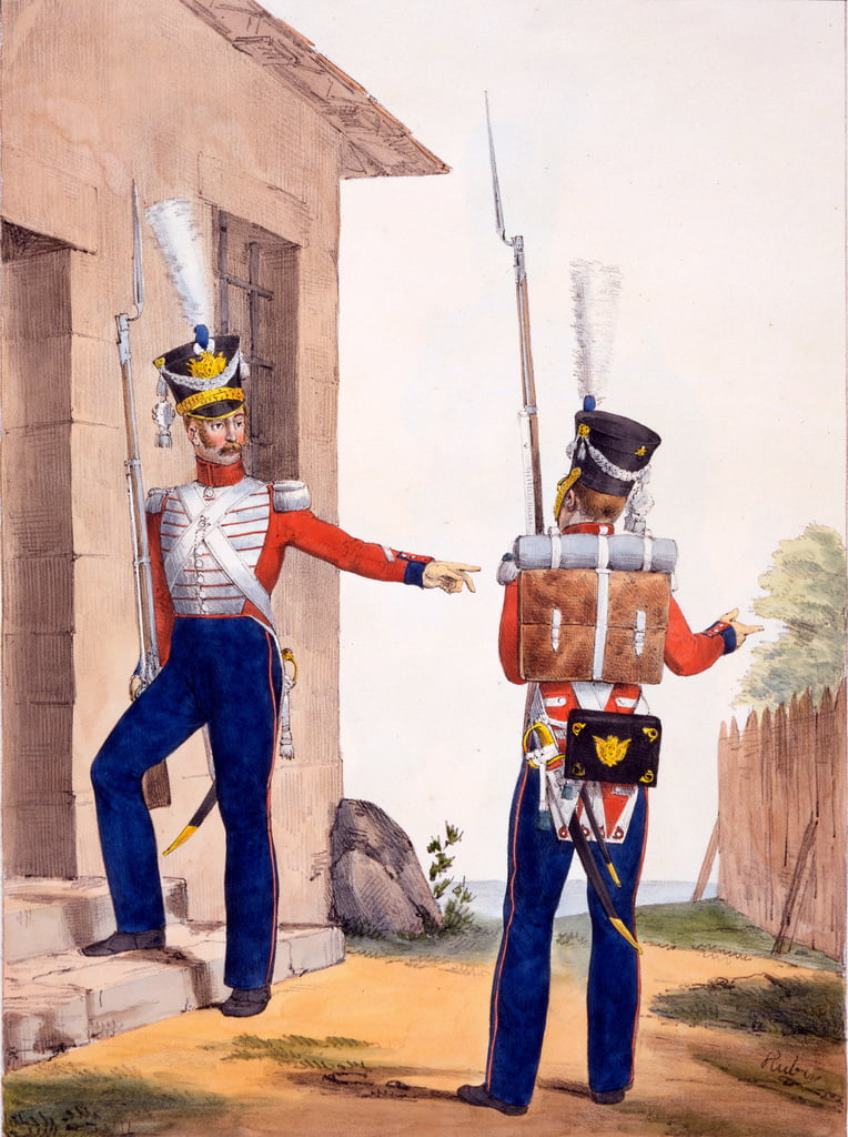
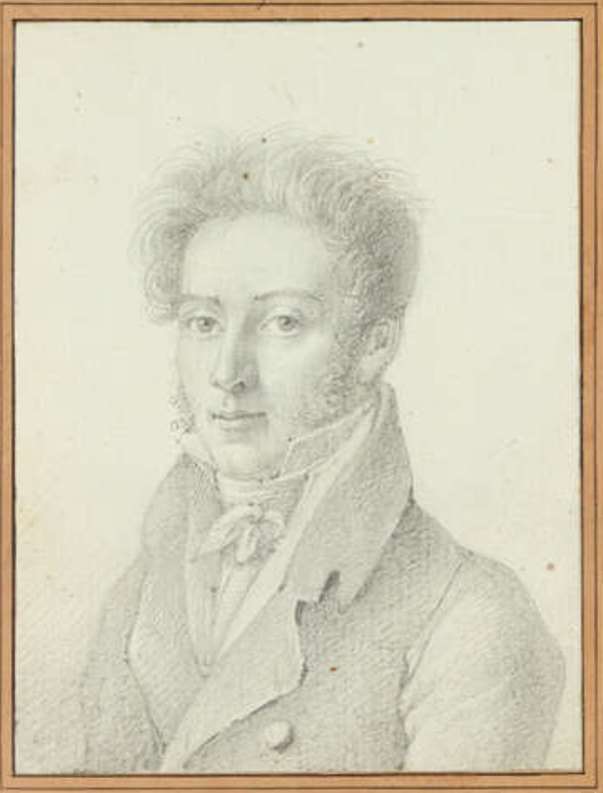
Charles Aubry was a French painter, illustrator and caricaturist who worked in Saumur from 1810-1840.
From 1817. Aubry made drawings and illustrations of military costume. He was soon recognized as one of the best lithographers and draughtsmen of military scenes, showing a particular talent for depicting cavalry. Charles Aubry's colored lithographs were published in a publication on the uniforms of the Swiss Royal Guard (Collection des Uniforms de l'Armee Francaise, 1823), as well as caricatures in the Comic Album de Pathologie (1823).
In 1822 Charles Aubry was appointed professor of art at l'Ecole Militaire de Saumur.

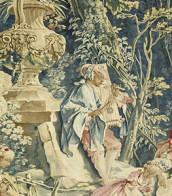
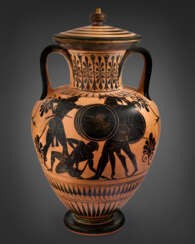

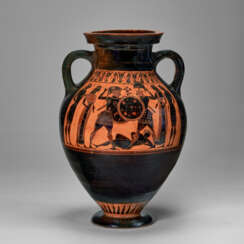


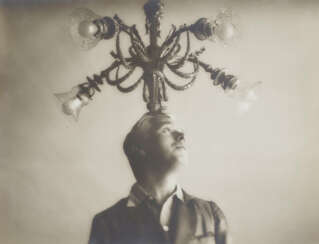


Lee Miller was an American photographer and photojournalist. She was a fashion model in New York City in the 1920s before going to Paris, where she became a fashion and fine art photographer. During the Second World War, she was a war correspondent for Vogue, covering events such as the London Blitz, the liberation of Paris, and the concentration camps at Buchenwald and Dachau.
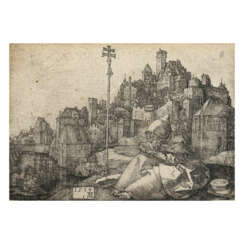

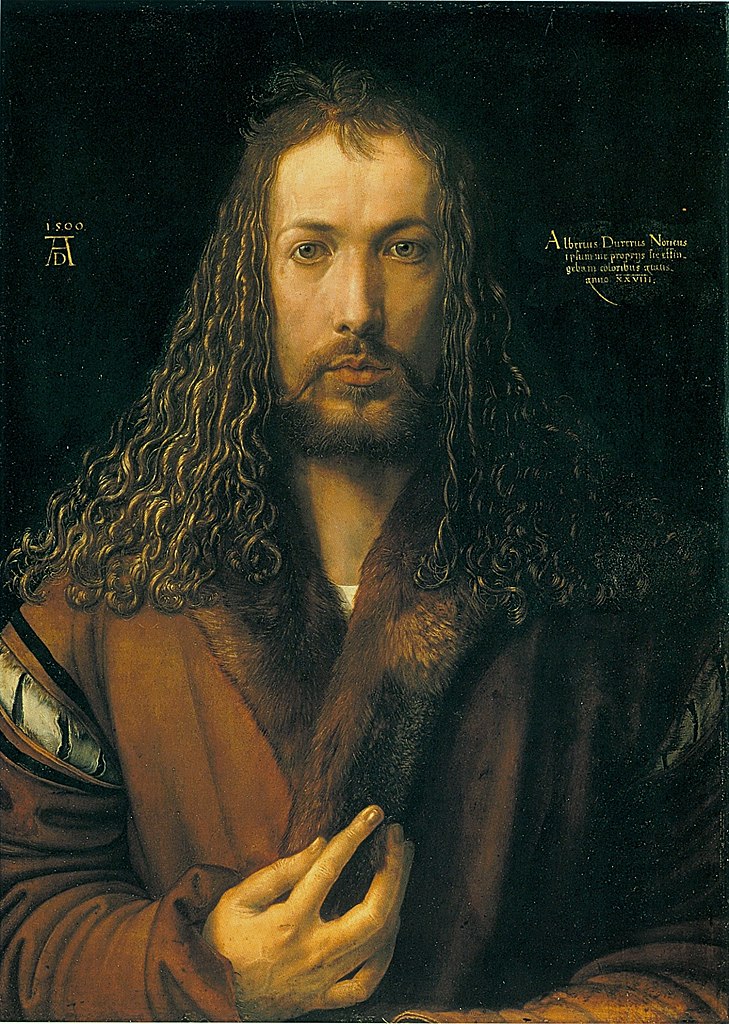
Albrecht Dürer, born on May 21, 1471 in Nuremberg, Germany, is widely regarded as the greatest German Renaissance painter. His contribution to painting and engraving is quite significant and has left a notable mark on the art world. Dürer's early life was spent in Nuremberg, a city that played a crucial role in his development as an artist and was also the site of his death on April 6, 1528. He was the son of the goldsmith Albrecht Dürer the Elder, from whom he initially learned the basics of drawing and metalworking.
Dürer's work is characterized by a combination of Gothic elements with the emerging Renaissance style, which is evident in his woodcuts and engravings. His oeuvre encompasses many themes, including religious works, altarpieces, portraits, and self-portraits. His outstanding prints, such as The Knight, Death and the Devil (1513), St. Jerome in his Study (1514) and Melencolia I (1514), are known for their intricate detail and artistic skill. Dürer was also one of the earliest European landscape painters, as evidenced by his watercolor paintings.
Equally significant are his theoretical writings on mathematics, perspective, and ideal proportions in art. Dürer was not only an artist but also a keen intellectual, his interests encompassing various aspects of culture and science. He served as court painter to Holy Roman Emperors Maximilian I and Charles V, completing several significant art projects for them. Dürer's keen mind and versatile interests brought him into contact with the most prominent figures of his time, including theologians and scientists of the Reformation era.
Dürer's self-portraits are particularly famous, demonstrating not only his artistic skill but also his self-awareness and personal style. These portraits attest to his growing success and confidence as an artist. Dürer's legacy is immense; he influenced not only the art of his time, but also left an indelible mark on the history of European art.
For those interested in the work and legacy of Albrecht Dürer, we recommend subscribing to our updates. Our subscription service is designed to provide information about new sales and auction events related to this remarkable artist. Join us to keep up to date on the latest art and antiques related to Albrecht Dürer.